
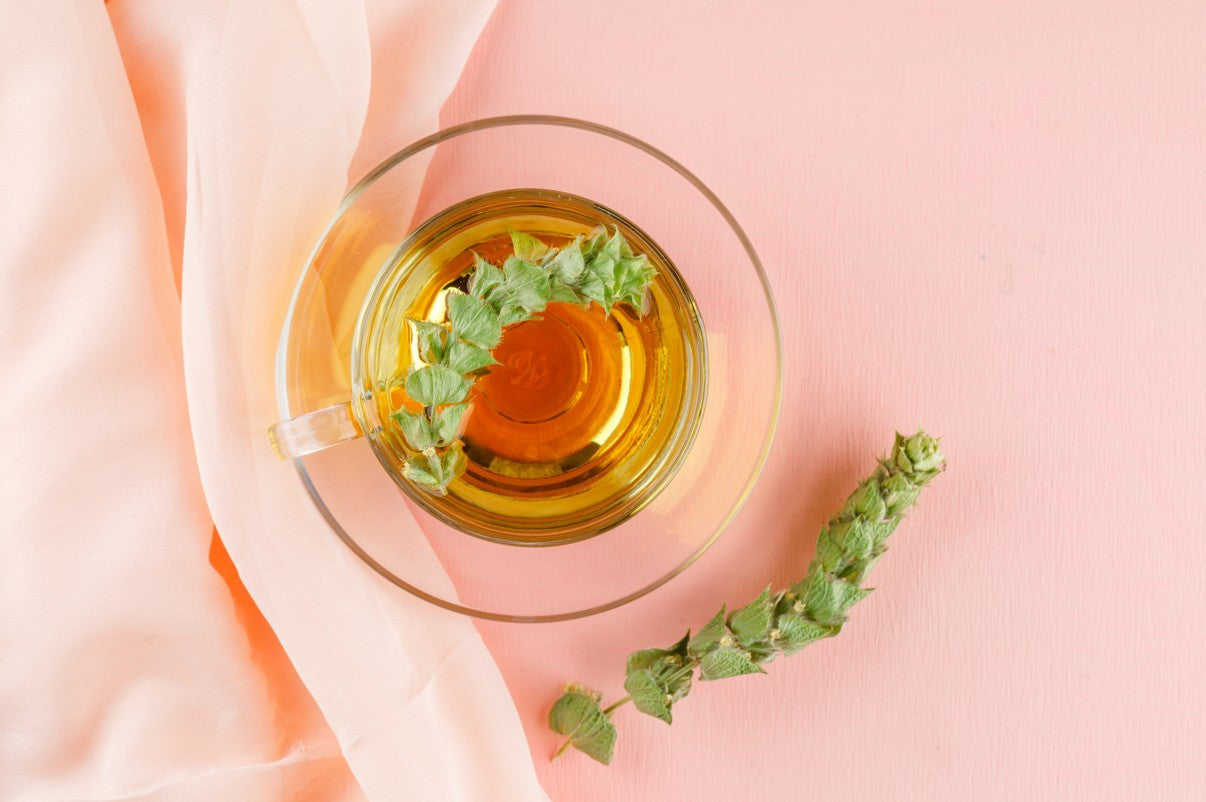
Slimming tea: does it really work? Pros and cons
Slimming teas: do they work? Benefits, risks and the best ones to choose
Slimming tea is often presented as a simple solution for losing weight or, conversely, is ‘demonised’ as a dangerous product in this regard.
The reality, however, is more nuanced. Some varieties of tea contain natural substances that help boost the metabolism and promote a healthy body weight. However, simply drinking them is not enough to achieve a slimmer figure.
So-called slimming teas can nevertheless be incorporated into a healthy lifestyle, as a complement to a balanced diet and regular physical activity.
Each type is different, and understanding their characteristics is essential to knowing how to make the right choice.
What are slimming teas?
The term ‘slimming tea’ refers to specific varieties of tea or herbal blends that are thought to aid weight loss. The effect is primarily due to the presence of natural substances such as catechins, caffeine and polyphenols: compounds that help stimulate the metabolism and energy expenditure.
The term ‘slimming tea’ is often used to refer to both classic green tea in tea bags, made from the Camellia sinensis plant, and herbal teas made from plant-based ingredients such as fennel, ginger or dandelion.
These drinks do not all work in the same way: some have a diuretic effect, others aid digestion or help reduce abdominal bloating.
It is important to clarify that the term ‘slimming’ does not indicate a direct and immediate effect on weight loss, but rather something that contributes to a person’s general well-being.
The best teas for weight loss
When it comes to slimming teas, certain varieties are mentioned more often than others due to the presence of substances that may aid energy metabolism. Here are the best-known ones:
● Slimming green tea: this is probably the best known. It contains catechins and caffeine, compounds studied for their potential role in thermogenesis and fat oxidation. Regular consumption, without added sugar, helps with weight management.
● Oolong tea: considered one of the best for weight loss, it sits halfway between green tea and black tea. Some research, though conducted on small samples, suggests a moderate effect on weight loss, as well as a digestive benefit.
● Matcha tea: a very fine powder of green tea, particularly concentrated. As the whole leaf is consumed, the antioxidant content is higher than in classic green tea.
● Black tea: contains caffeine and polyphenolic compounds that aid energy metabolism. It has a more intense flavour and a greater stimulating effect.
Finally, there are some flavoured slimming teas. This is the case with jasmine green tea, which has freshly picked jasmine buds added to it; it is perfect to enjoy before and after meals.
Do they really work?
The most common question when discussing slimming teas is: do they really work? The available scientific evidence suggests that certain varieties may offer moderate support to the metabolism by stimulating thermogenesis: the process through which the body uses energy to produce heat.
This does not mean that slimming teas enable you to lose weight quickly or automatically. Their effect is generally limited and only becomes significant when part of a balanced diet and regular physical activity.
Many products are marketed as teas for rapid weight loss, but these are often marketing exaggerations. Weight loss is influenced by various factors and is not something that happens automatically.
Drinking tea is good for you and tends to be a healthy daily habit: it promotes hydration, helps limit the consumption of sugary drinks and encourages a more mindful routine.
Some studies do indeed highlight a possible beneficial effect on appetite regulation, with an improvement in the management of calorie intake throughout the day.
Risks and contraindications
Despite the potential benefits, excessive consumption of slimming tea carries certain risks.
The presence of caffeine, for example, can cause nervousness, insomnia or irritability in more sensitive individuals, whilst some blends may have a laxative or diuretic effect which, if prolonged, risks causing dehydration or electrolyte imbalances.
If you are pregnant, have high blood pressure or are taking specific medication, it is always advisable to consult a doctor, so as to strike the right balance between staying in shape and looking after your health.
Blog posts
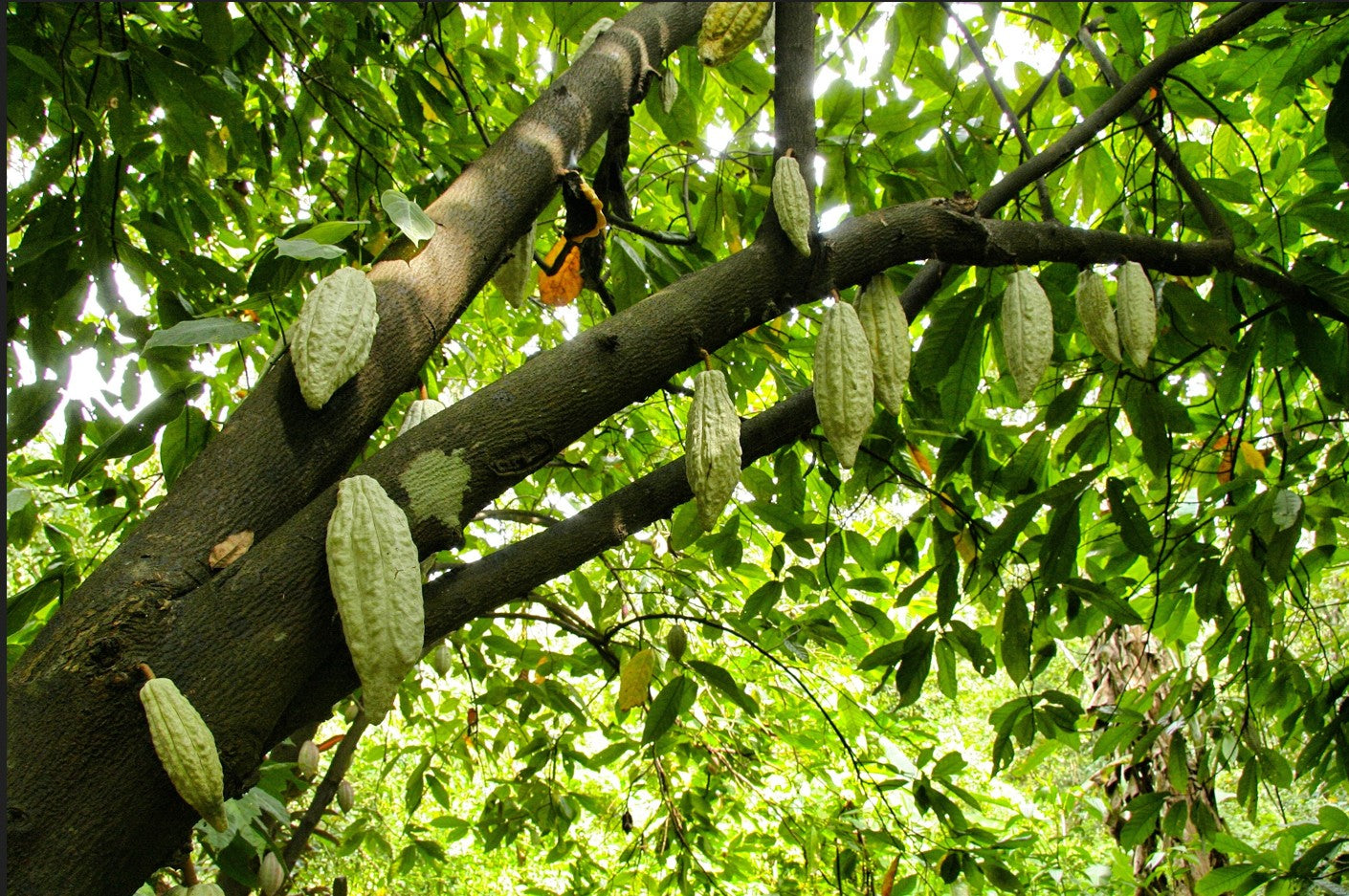
The Cocoa Plant: History, Fruit, Cultivation and Interesting Facts
The cocoa plant, whose scientific nam...
Read more